How to Source Fabric for a New Fashion Brand
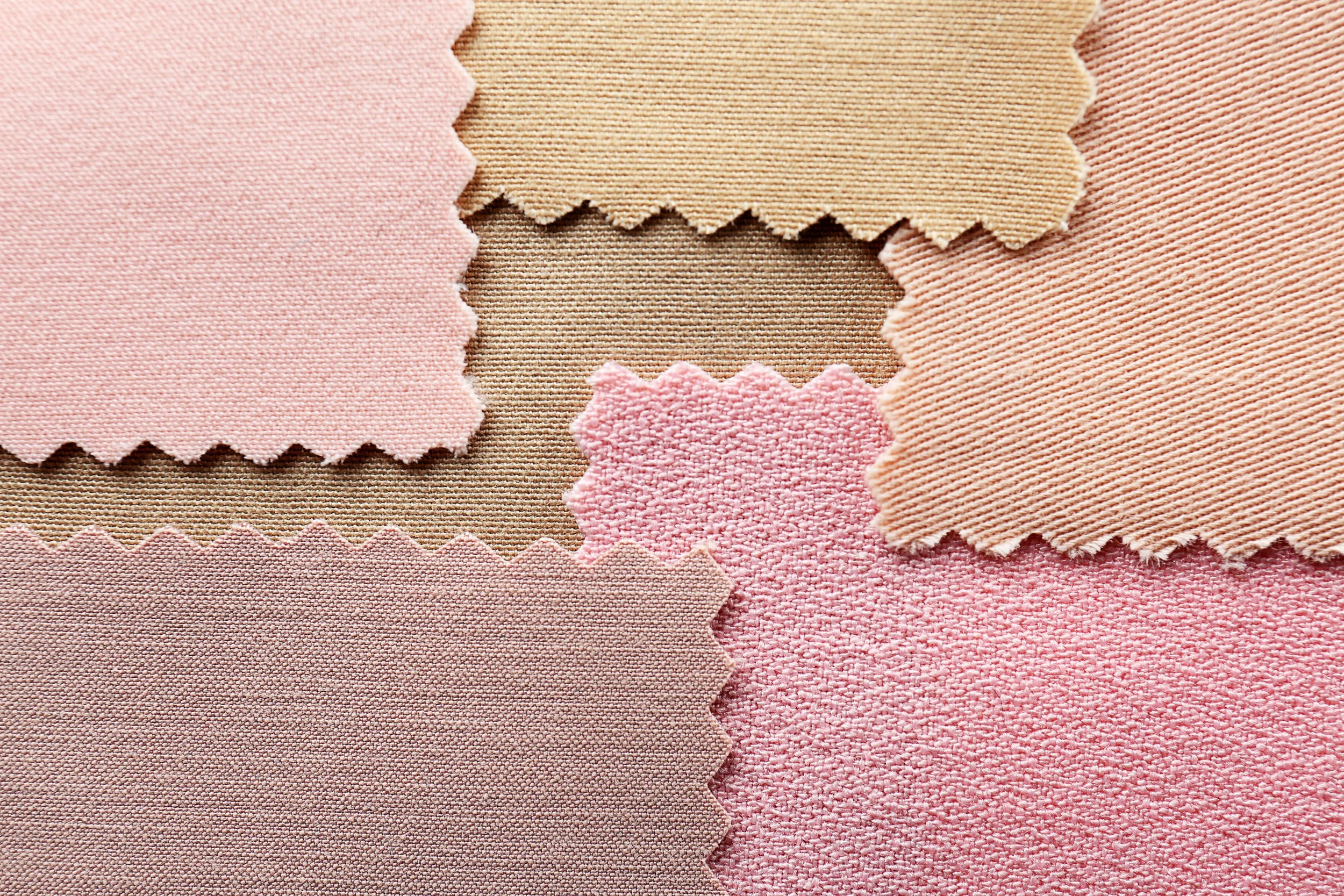
Most people starting a fashion brand spend months on the design and almost no time thinking about the fabric. Then the fabric turns out to be the thing that decides whether the brand works.
I’ve watched it happen more than once. A founder falls for a beautiful sketch, gets a sample made, and only then finds out the cloth they wanted comes with a 300-metre minimum, a ten-week lead time, and a price that breaks the costing. The design was never the problem. The fabric was.
So here is how I’d think about sourcing fabric if you’re early on and trying to get it right.
Start with the fabric, not the design
It sounds backwards, but fabric should shape the design as much as the other way round. The weight, the drape, the stretch, the way it takes colour — all of that decides what a garment can actually be. A jacket drawn for a heavy wool melton will look wrong in a thin suiting cloth, no matter how good the pattern is.
When I start product development with a brand, I’m usually thinking about cloth and silhouette at the same time. If you lock the design first and go hunting for fabric afterwards, you narrow your options and often end up compromising on both.
Where fabric actually comes from
There are three main routes, and they suit different stages.
Mills weave or knit the cloth themselves. This is where the best quality and the widest choice sit, but mills work in volume. Minimums are often measured in hundreds of metres per colour, and lead times run to several weeks or more. For a small first run, a mill is usually out of reach unless you find one happy to work small.
Agents and converters sit between you and the mills. They hold relationships with several mills, carry sample books, and can often broker smaller quantities than you’d get going direct. You pay a little more for the service, but for a new brand that margin is usually worth it.
Stock fabric — sometimes called stock-service or merchant cloth — is already woven and sitting in a warehouse, ready to buy by the metre or in small lots. Lead times are short, minimums are low, and you can get going quickly. The trade-off is that you don’t own the cloth, so anyone can buy the same thing, and the range is whatever happens to be in stock.
For a first collection, most brands I work with start with stock or go through an agent. Going direct to a mill comes later, once the volumes justify it.
The questions to ask before you commit
Before you order anything beyond a swatch, you want clear answers on a handful of things.
What’s the minimum order, per colour and in total? Minimums per colour catch people out. A 50-metre minimum sounds fine until you want it in four colours and you’re suddenly committed to 200 metres.
What’s the lead time, and is the cloth in stock or made to order? A made-to-order fabric can add months you didn’t plan for.
What’s the price per metre, and what does that do to your garment cost? Work this back into your costing before you fall in love with anything. A lovely cloth that pushes your retail price past what your customer will pay is no use to you.
How much cloth does one garment take? This is your consumption, and you need it to turn a per-metre price into a per-garment cost. A coat might eat three metres; a simple top might take one.
And is there a composition and care story you’re happy to stand behind? More buyers ask about this now, and the answer affects washing, labelling, and the claims you can make.
Always get a swatch, then a hanger
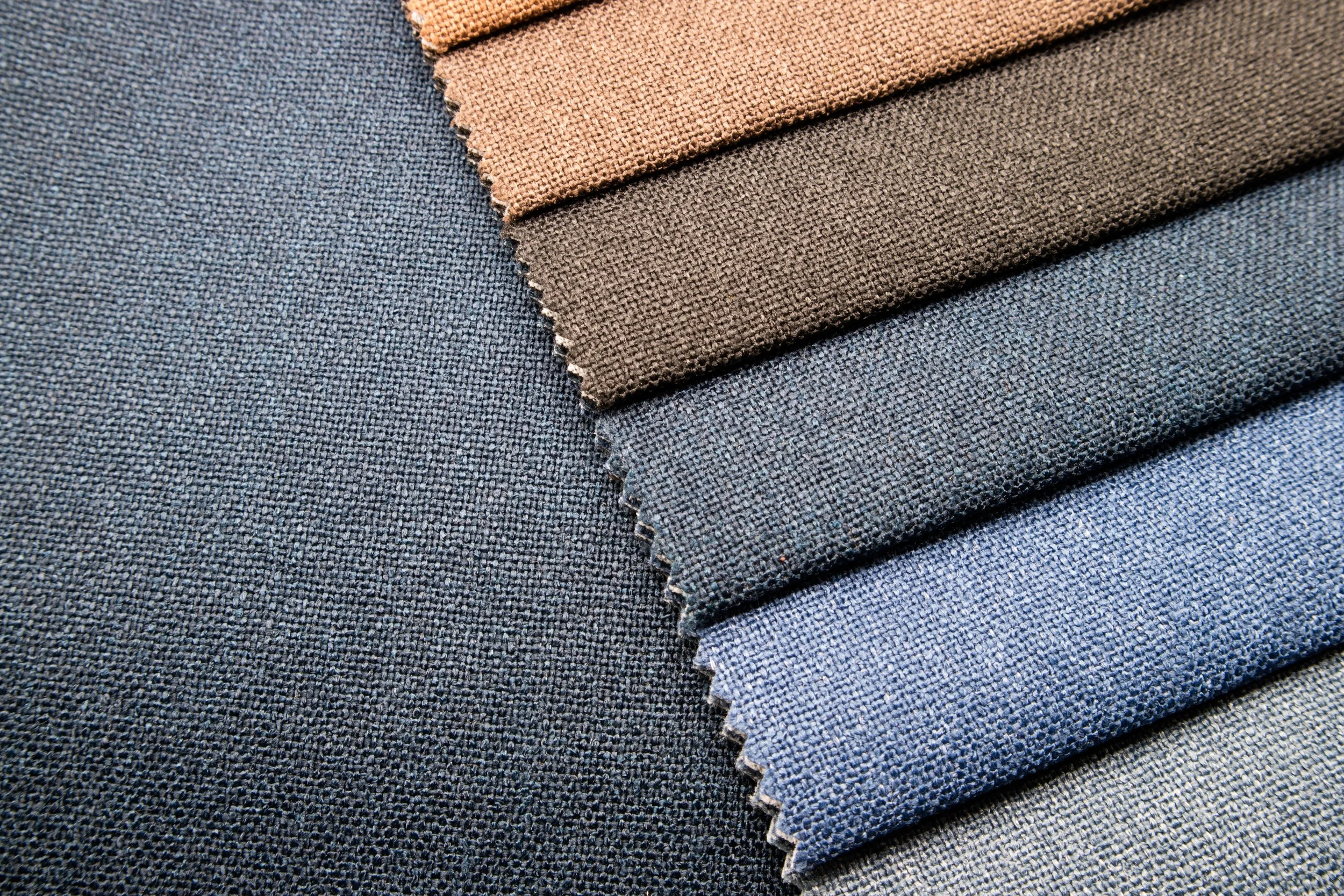
Never buy from a photo. Colours shift on screen, and you can’t feel weight or hand through a website. Get a swatch first. If you’re serious, ask for a larger piece — a hanger or a sample length — so you can see how it behaves when there’s more of it. Cloth drapes differently at scale than a postage-stamp swatch suggests.
If colour matters to you, ask about lab dips. These are small dyed samples matched to your chosen shade, and you should check them in daylight, not under shop lighting. I’ve seen a navy approved under warm studio lights turn out almost purple in the sun.
The mistakes I see most
The biggest one is leaving fabric too late, so it becomes the thing that holds up the whole collection. Fabric lead times are often longer than sampling, so it should be one of the first things you sort, not the last.
The second is ordering bulk cloth before the sample is signed off. Buy your production fabric, then change the design, and you’re left with rolls you can’t use.
The third is chasing a cloth that’s beautiful but wrong for the volume you’re at. There’s no point sourcing a fabric with a 1,000-metre minimum for a 50-piece first drop. Match the cloth to where the brand actually is.
A bit of experience goes a long way
Fabric is one of those areas where knowing the ground saves real money. Which mills work small, which agents are worth their margin, how to read a costing before you commit — that’s the difference between a smooth first collection and an expensive lesson.
It’s also the kind of thing I do day to day, across clothing, shoes, and accessories, from the first idea through to production.
I take on the brands I want to work with. There aren’t many. If sourcing is where you’re stuck, the contact page is the place to start.