What Actually Happens During Fashion Sampling
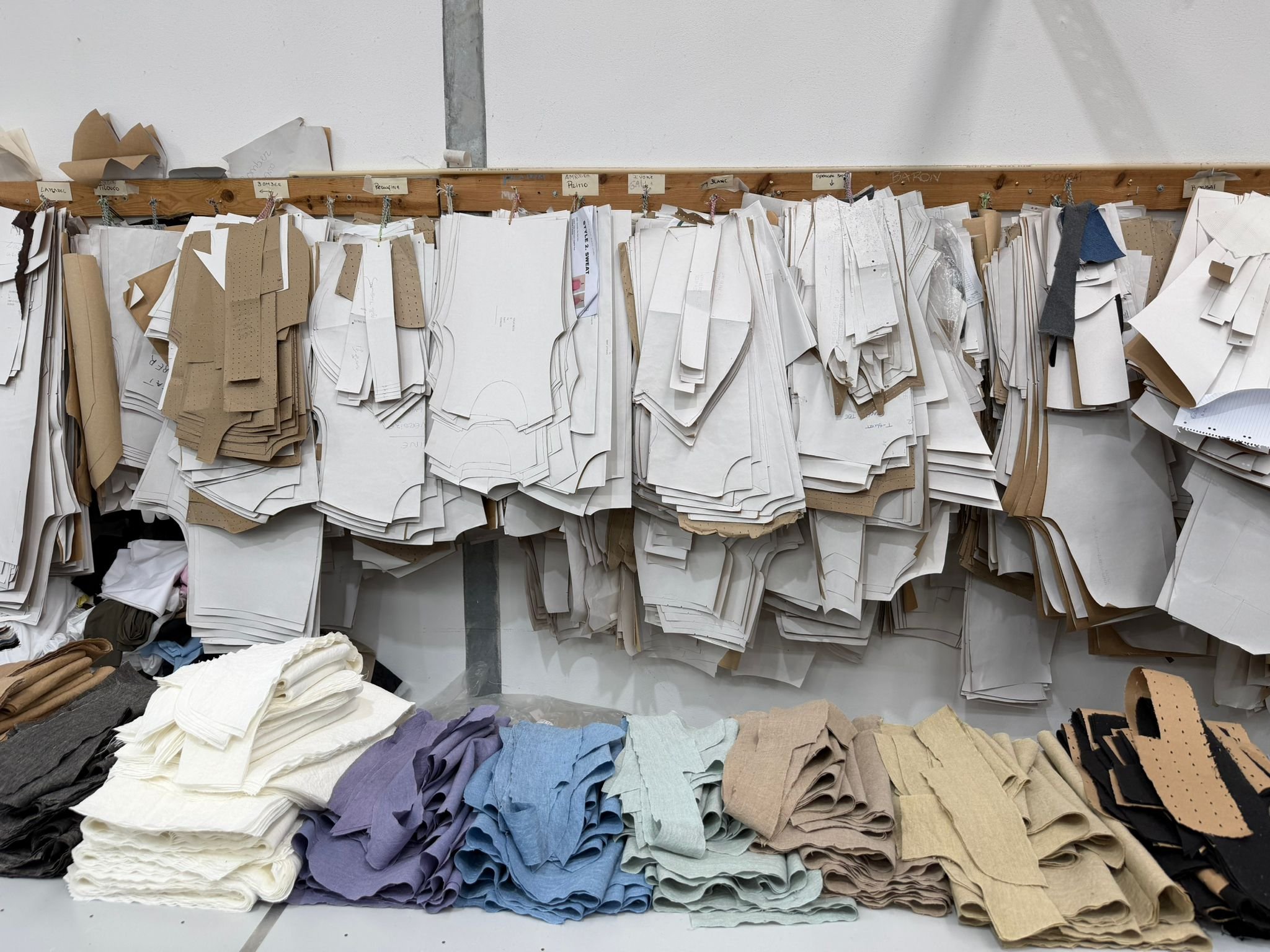
If you're building a fashion brand, there's a good chance the sampling stage is where things start to feel real. You've had the idea, you've sketched it out, maybe you've even had some 3D renders done. But sampling is where your product actually becomes a physical thing you can hold, try on, and test. It's also where a lot of brands hit problems they didn't see coming.
I've spent years in fashion product development, and I'd say sampling is the stage that catches people out more than any other. Not because it's impossibly difficult, but because most people don't know what's involved until they're in the middle of it. So here's a straightforward look at what the process actually looks like, what it costs, and where things tend to go wrong.
Before any sample gets made, a factory needs a spec to build it from. If you're putting one together, my tech pack template has every page they'll ask for — points of measure, bill of materials, the lot.
The sampling process isn't one step — it's several. And each one has a purpose. The first sample you'll usually get is called a development sample, sometimes called a proto. This is a rough version of your design, made to test the basic shape, fit, and construction. It won't look like a finished product. The fabric might be a substitute, the colour might be off, and the trims probably won't be final. That's normal. The point of this sample is to answer one question: does the pattern work?
From there, you'll typically go through at least one or two more rounds. A fit sample focuses on getting the sizing right — how does it sit on the body, where do the seams fall, is the sleeve length correct? Then there's the pre-production sample, which should look and feel like the real thing. Final fabric, final trims, final colourway. This is your sign-off sample before the factory starts cutting bulk fabric.
Each round involves back-and-forth. You receive the sample, you try it on (or have someone try it on), you send comments back to the factory or your developer, and they make the corrections. It's a conversation, not a one-off event. And every round takes time — usually two to four weeks per sample, depending on the factory's schedule and where they're based.
So when brands ask me "how long does sampling take?" the honest answer is: it depends, but rarely less than two to three months for a straightforward product, and often longer if the design is complex or the fabric needs sourcing. Leather goods, for example, tend to take longer than jersey basics. Structured jackets take longer than T-shirts. If you're working with a new factory for the first time, add extra time for them to get to know your standards.
One of the biggest mistakes I see is brands trying to rush this stage. I understand the pressure — you've got a launch date in mind, maybe you've already started marketing, and every week feels like lost time. But cutting corners on sampling almost always costs more in the long run. If you sign off a sample that doesn't fit properly, you'll end up with hundreds or thousands of units that don't fit properly. Returns go up, reviews go down, and you've spent your production budget on stock that doesn't represent your brand well.
Another common issue is not being specific enough with your comments. "The fit is off" isn't helpful feedback for a factory. "The chest is 2cm too tight across the front and the shoulder seam sits 1cm too far towards the neck" — that's something they can act on. The more precise you are, the fewer rounds you'll need, and the less time and money you'll spend. If you're not confident measuring and commenting on samples yourself, that's where working with a product developer or consultant makes a real difference. It's literally what I do every day.
Cost is the other question I get asked a lot. Sample costs vary hugely depending on what you're making and where. A simple T-shirt sample from a factory in Portugal might cost £30–60. A fully constructed blazer with custom lining could be £150–300. Leather goods and footwear tend to sit at the higher end. Some factories charge a flat sample fee, others charge for materials plus a making-up cost. It's always worth asking for a breakdown so you know what you're paying for.
Here's something worth knowing: some factories won't sample for you unless they believe you'll place a production order with them. They're investing their time and resources, so they want to know there's a genuine intent to produce. Being upfront about your plans and realistic about your quantities will help you build better relationships with manufacturers. Nobody wants to spend two months developing samples for an order that never comes.
I'd also say this: don't be afraid to ask questions during the process. If you don't understand why a sample looks different from your design, ask. If you're not sure whether a fabric is right, ask. If you don't know what a comment from the factory means, ask. There are no stupid questions at the sampling stage — only expensive assumptions.
The brands I've seen do this well tend to have a few things in common. They plan enough time for sampling before their launch date. They have clear, detailed tech packs so the factory knows exactly what they're making. They give specific, measurable feedback on every sample. And they treat their factory or developer as a partner, not just a supplier. Good sampling is a collaboration.
There are two easy ways to take this off your plate. If you'd rather do it yourself, my tech pack template gives the factory the exact spec every sample is built from — and the clearer the pack, the fewer rounds you end up paying for. If you'd sooner hand it over, commenting on samples and getting the fit right before bulk is what I do all the time. Tell me what you're working on and I'll take it from there.