Fashion Production: A Complete Overview of the Process (2026)
Fashion production is everything between a finished design and a garment a customer can buy: development, sampling, manufacture, quality control and delivery. Most guides describe the stages. Fewer tell you how long each one takes, what it costs, and where small brands lose money. After twenty years taking collections from concept to production — my own and my clients' — this is the version I wish founders read before their first factory conversation.
One thing before the stages. Production is unforgiving of vagueness. Nearly every expensive problem I've been brought in to fix — the sample that came back wrong twice, the delivery that missed the season, the margin that vanished — traces back to a decision that wasn't made early enough. Read the stages below as a sequence of decisions, not tasks.
Stage 1: Development
Design
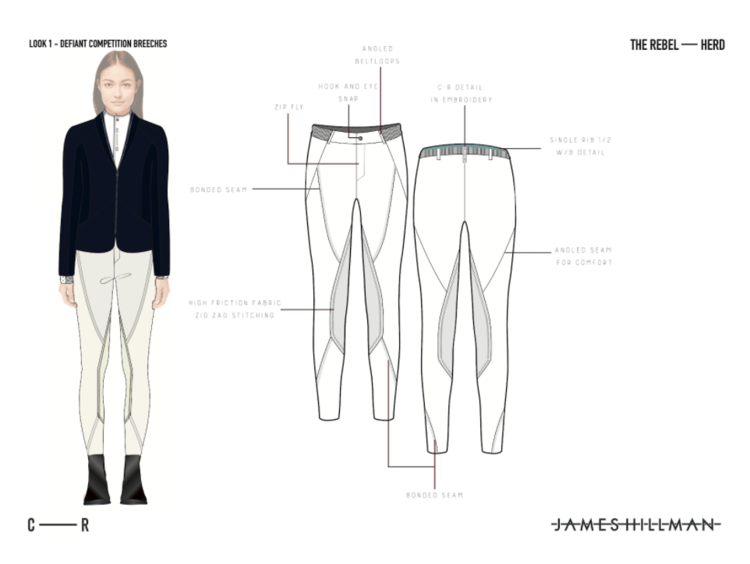
Development starts with a resolved design, not a moodboard. That means flats, fabric direction, and a clear sense of who the garment is for and at what price. If the design isn't resolved, everything downstream costs more, because the factory becomes your (very expensive) design studio.
If you're still shaping the idea itself, start with my guide to creating a fashion concept.
Sourcing
Fabric and trims are where quality is decided and where lead times hide. A stock fabric from a European merchant might ship in days. A custom knit from an Italian mill can carry a 6–10 week lead time before a single garment is cut.
Order swatches early, order more than you think you need, and confirm the mill's minimums before you fall in love with anything.
Sustainability belongs here, at the sourcing decision, not in the marketing afterwards. Certified fibres, traceable mills, natural dyes — these are choices made now or not at all.
The tech pack
The tech pack is the single document your manufacturer works from: flats, bill of materials, measurements, colours, labels, construction. A complete one lets a factory quote accurately and produce accurately. An incomplete one invites the factory to fill the gaps with their defaults — which are never your defaults.
I've written a full guide to building a clothing tech pack, and there's a ready-to-fill template in the shop.
Costing
Get quotes from more than one factory, and get them itemised: CMT (cut, make, trim), fabric, trims, labels, packaging, delivery. A single-line quote hides everything you'll later wish you could see. The cheapest quote is rarely the best one — a factory that quotes low and samples badly costs more than one that quotes honestly.
Work backwards from your retail price. If a garment retails at £180, a wholesale-and-retail structure typically wants it landing at a cost of £30–45. If the quotes don't get you there, the design changes now — not after sampling.
Stage 2: Sampling
Sampling is where the tech pack meets reality. Expect it to take longer than you want.
A first prototype (proto) typically takes 2–4 weeks from a UK factory, longer overseas. Then a fit sample, then — if you're printing — a strike-off to approve print quality, then a pre-production sample in the final fabric. Each round is a cost: a sample commonly runs 2–3 times the eventual unit price.
Two things reduce rounds. The first is a precise tech pack with measurements and tolerances, so "wrong" is measurable rather than arguable. The second is fitting properly — on a body representative of your customer, with written fit comments back to the factory. Vague feedback ("the sleeve feels off") produces another vague sample.
Budget for two to three rounds per style. If you're consistently needing four or five, the problem is upstream, in the pack or the fit process, not at the factory.
Costing for Raw Materials and Manufacturing
After you've finalised your design, it's time to start thinking about how much it's going to cost to produce. This includes the cost of the raw materials, as well as the cost of manufacturing.
To get an accurate idea of the cost of production, you will need to obtain quotes from a number of different manufacturers. This can be a time-consuming process, but it's worth it to make sure you're getting the best price possible.
Once you've received your quotes, you will need to compare them and choose an affordable option. It's important to remember that the cheapest option is not always the best option. You need to make sure that you're getting a good quality product from a reputable manufacturer.
Step 2: Garment Manufacturing Process
Sustainability
Ensuring sustainability throughout your fashion production line is important to protect our planet. The fashion industry is notoriously destructive to the environment, so fashion business owners need to consider sustainability in all of their practices. Sustainability in fashion production means using clothing manufacturers, materials and processes that don't damage the environment or deplete natural resources.
There are a number of ways to make your fashion production sustainable. For example, you can use organic or recycled materials, you can choose manufacturers that use renewable energy, and you can avoid using harmful chemicals or dyes.
Pattern Cutting Process
The first step in the garment manufacturing process is cutting the patterns for your garments. This is done by a pattern cutter, who will use your technical drawings and paper patterns to cut your patterns.
The patterns are then used to cut the fabric for your garments. This can be done by hand or by machine, depending on the type of fabric and the complexity of the design. The pattern-making process can be quite time-consuming, so it's important to choose a pattern cutter with experience and expertise.
Garment Production
After the fabric has been cut, it's time to start producing your garments.
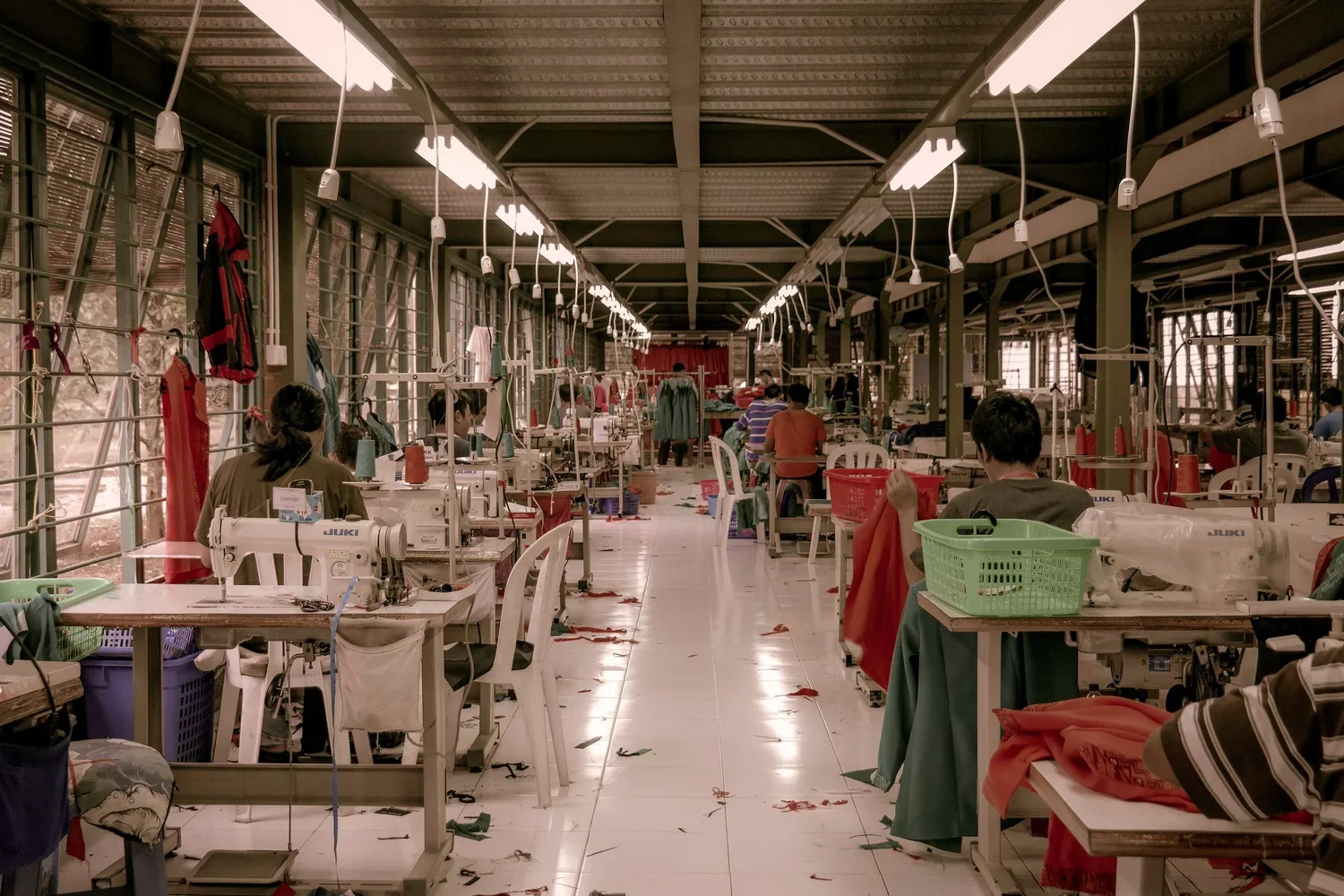
This is usually done by a garment manufacturer who will put the garment together using your specs and a variety of different stitching techniques. This will usually include a combination of both sewing machines and hand stitching. It's important to use the right textile manufacturing process for your specific collection, so choosing the right clothing manufacturer is important.
The main part of the manufacturing process is the cutting and sewing process. This means that it is vital to ensure sustainability in these production processes and practices. You should also consider the working conditions of your garment manufacturers and make sure they are fair and ethical.
Brand and Care Labels
Once your garments are complete, they will need to be labelled with your brand name and care instructions. This is important to ensure that your garments are easily identifiable and that they can be properly cared for. Any great fashion production service will be able to provide you with high-quality labels for your garments.
Finishing
Finishing is one of the final steps in the manufacturing process. This includes adding any trimmings or embellishments to the garment, including buttons, zips, and appliqués. Once the garment is finished, the complete garment is ready to be checked by quality control and shipped to the customer.
Stage 3: Manufacture
Choosing where to make
UK manufacture gives you proximity — you can visit, fit, and correct quickly — usually at a higher unit cost and lower minimums. Overseas gives you price and capacity, at the cost of lead time, freight, and communication risk. I've written a fuller comparison: UK or overseas clothing manufacturing.
Minimums
Every factory and every mill has a minimum order quantity, and MOQs are where most small brands' plans first meet resistance. They exist because setting up a production run has a fixed cost regardless of volume. Understand them before you design a twelve-piece collection: what MOQs actually mean for a small brand.
The run
Once the pre-production sample is approved and fabric is in, a production run for a small brand typically takes 4-8 weeks, plus freight if you're making abroad. The approved sample becomes the sealed standard: everything the factory produces is measured against it. Keep it, photograph it, never let the only one leave your possession.
Stage 4: Quality control
QC happens against the tech pack and the sealed sample — measurements within tolerance, correct fabric and trims, clean construction, correct labelling. For a first run with a new factory, check everything you can; thereafter, an agreed percentage inspection is normal.
If you're producing overseas, a third-party inspection before the goods ship costs a few hundred pounds and is almost always worth it. Once garments are on a boat, your leverage is gone.
Labelling is also a legal matter, not just a brand one: fibre content, care instructions and origin have requirements in every market you sell into. Get them right in the tech pack and QC becomes a check, not a scramble.
Stage 5: Delivery
Decide early where finished goods go — to you, to a fulfilment partner, direct to a stockist — and who books the freight. Sea freight from Europe or Asia adds weeks that must exist in your critical path from day one, not appear as a surprise in week twelve. If a spring delivery matters, the calendar runs backwards from the delivery date, and it is stricter than most founders expect.
Where small brands lose time and money
Having watched this process from both sides for two decades, the losses cluster in the same places:
Sampling with an incomplete pack. Every ambiguity becomes a sample round. Rounds are weeks and money.
Designing before understanding minimums. A collection planned without MOQs in mind gets redesigned under pressure, which is the worst time to design anything.
Chasing the cheapest quote. The saving on paper disappears in re-work, delays and freight surprises.
No critical path. Fabric lead time, sampling rounds, production, freight and QC each have a duration. If nobody adds them up, the season decides for you.
Nobody senior in the room. Factories are collaborators, but they respond to precision. A founder negotiating alone, without technical language, pays a fluency tax on every decision.
If you want the whole sequence written down — the nine stages, what each one costs, and a budget planner that shows whether the numbers survive — that’s the Founder’s Kit.
Working with me
I take brands through this entire process — development, sourcing, tech packs, sampling, manufacture — and have done for twenty years, from my studio in London. The person you speak to is the person doing the work.
If you're at the start of it and want the whole plan looked at before money is committed, a Studio Session is the simplest way in: ninety minutes on your production plan, and a written Direction Document setting out what to do, in what order.