How Long Does It Take to Develop a Fashion Collection?
Founders ask me this in the first conversation, usually with a slightly nervous smile, because they suspect the answer is longer than they hoped. It is. But not always by as much as they fear. The honest version is that a collection takes between six and eighteen months from a standing start. The range is wide because the answer depends on what you mean by collection, how prepared you are, who you’re working with, and how much patience you have when something needs to be redone. Below is a rough breakdown of how the time actually divides up, and where most founders lose weeks they didn’t plan to lose.
Concept and brand direction: 4–8 weeks
The foundations get built here. Mood, references, customer, price position, fabric direction, silhouette language, sketches. Some founders arrive with this already nailed down. Most arrive with two of those five things half-finished, which means we spend the first month tightening it before anything else makes sense. The temptation here is to skip ahead. Don’t. The cost of going into product development without a clear brand direction is that you’ll change your mind halfway through, and changing your mind costs money you’ve already spent.
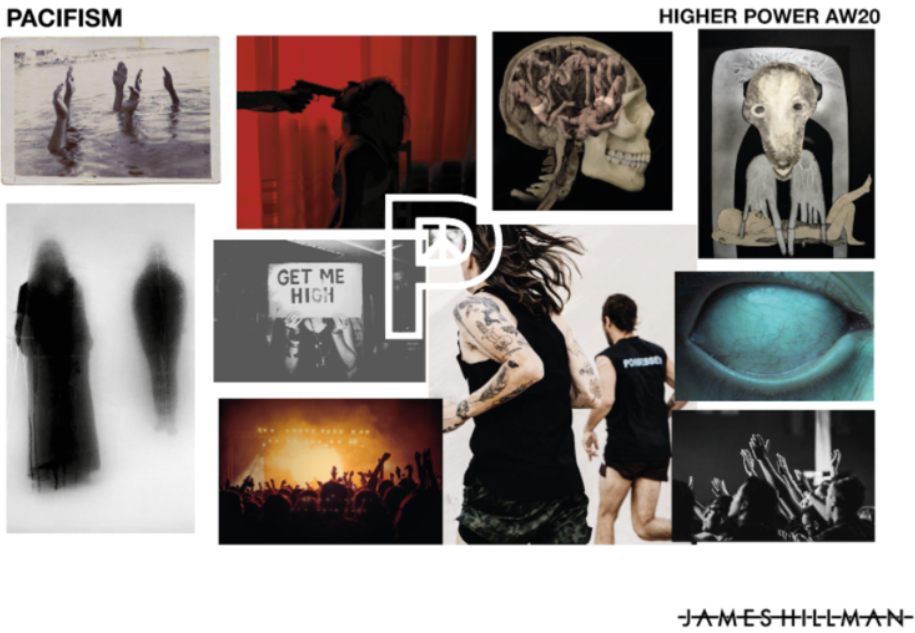
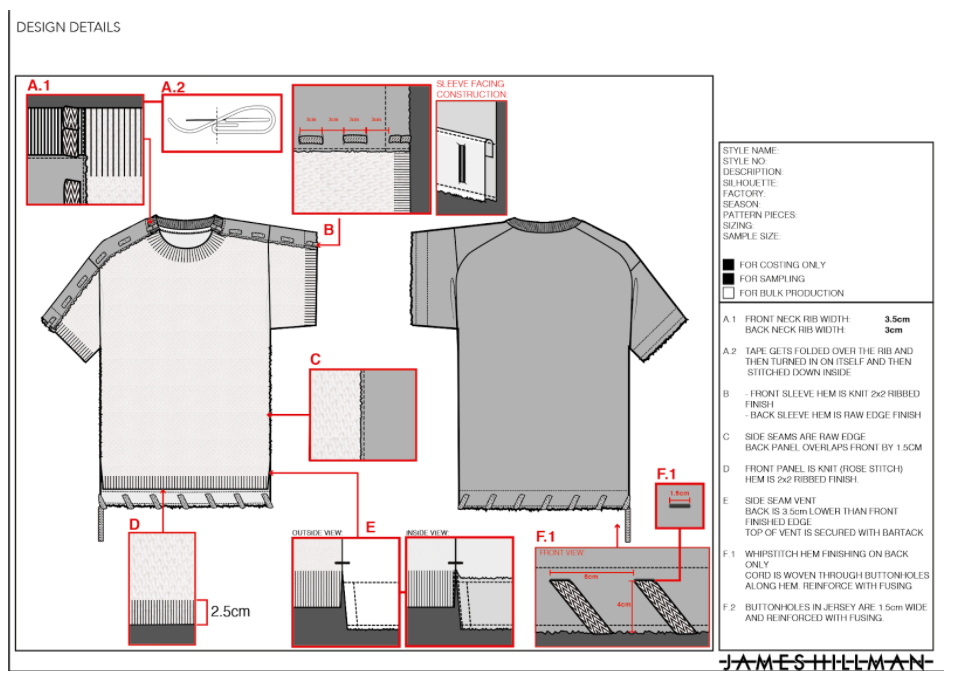
Pattern, tech pack and first prototypes: 6–12 weeks
Patterns are made, tech packs are written, and a first round of prototypes is produced. This is the slowest stretch for most small brands because tech packs need to be precise and factories work to their own schedule. If you’re starting from scratch, expect closer to twelve weeks. If you’ve worked with the factory before and they know your blocks, six is realistic. Using 3D in this phase shaves real time off, because you can correct fit and proportion before a single piece of cloth is cut. I usually save two rounds of physical sampling per style by doing the early work digitally.
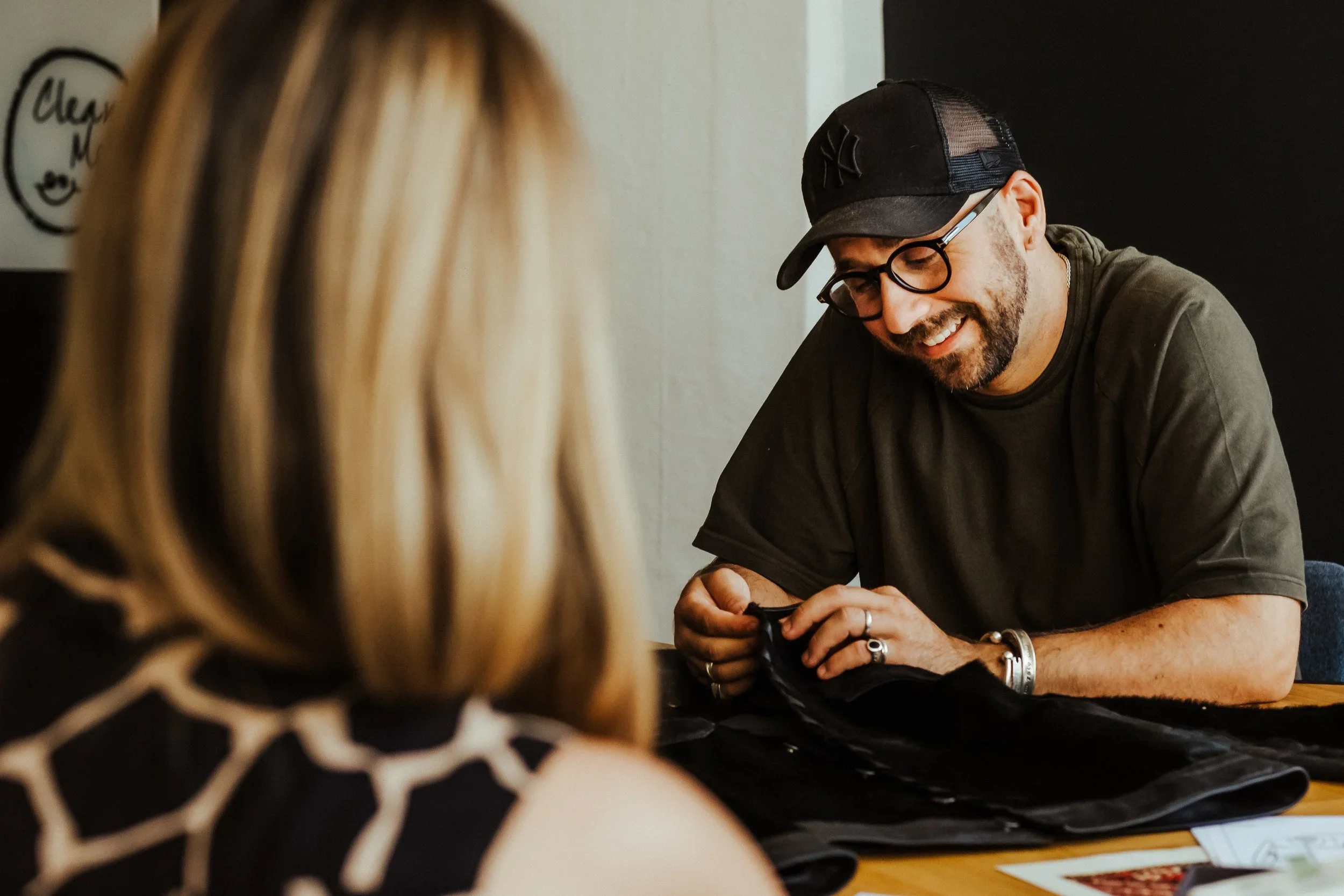
Fittings and revisions: 4–8 weeks
Almost no first prototype fits the way it should. This isn’t a failure — it’s the point of a prototype. Fittings catch what the drawings missed. Then patterns are corrected, a second prototype is made, and you fit again. Some styles get a third round. Some need a fourth. The variable here is decisiveness. Founders who can look at a sample and say clearly what they want changed are quick. Founders who second-guess themselves at every fitting double the timeline. The willingness to commit to a decision is one of the most useful things a founder can bring to this stage.
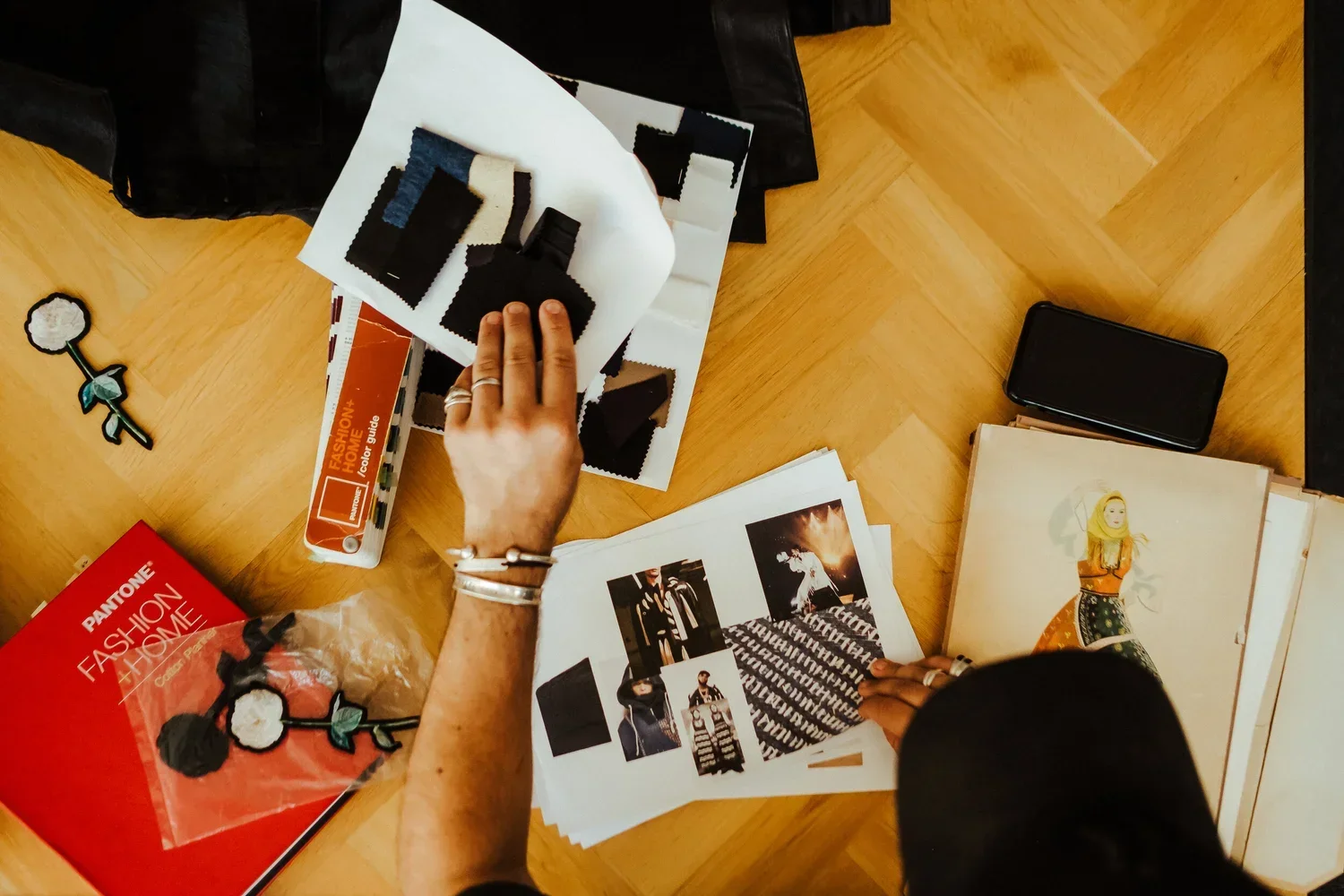
Fabric sourcing and lab dips: 4–10 weeks
Fabric runs alongside the sampling work but has its own timeline. You order swatches, choose, request lab dips for colours, approve them, then place the bulk fabric order. Mills have their own minimums and lead times — eight weeks is common for woven, longer for knits. If you wait until samples are signed off before ordering fabric, you’ll add months to the back end. This is one of the most common places small brands lose time. The cost of starting fabric work too late is bigger than the cost of being slightly wrong about quantities.
Pre-production sample sign-off and bulk production: 8–16 weeks.
Once a sample is approved, the factory grades the patterns, makes a pre-production sample, and that gets signed off too. Then production begins. The bulk time itself depends on order size, factory capacity, and how complicated the styles are. A simple knit dress can be cut and sewn in three weeks. A structured outerwear piece with linings, interlinings and topstitching detail can take ten. For a small brand with a tight range, two months of production is realistic. For larger or more complex collections, four is closer to right.
The total
Adding it up, the fastest collection I’ve taken through from a strong concept to finished product is around six months. The most typical is nine to twelve. The slow ones — where the brief shifts, or fabric arrives wrong, or the factory has a difficult quarter — run to eighteen. A founder asking me whether they can launch in three months from a blank page isn’t being lied to when I say no. They’re being saved from spending the money and learning the same thing the hard way.
Where the time actually goes
The work doesn’t take that long in pure hours. What takes the time is sequencing, waiting, and decisions. Waiting for a sample. Waiting for a lab dip. Waiting for the founder to decide if the neckline should be a centimetre lower. Each wait is a few days. Stacked across a full collection, those few days become weeks, then months. The fastest collections I’ve worked on share three things. The founder knows what they want. The brief doesn’t change. Decisions are made when they’re asked for. None of that costs more money. It costs attention
If you’re planning a launch
Work backwards from the date you want to be in stock. Add three weeks for shipping. Add two months for production. Add a month for fabric arrival and pre-production sample. Add two months for sampling and fittings. Add six weeks for pattern and tech pack. Add a month for concept work. That gets you nine months back from launch. If you have less time than that, the conversation is about scope — fewer styles, fewer fabrics, less complication — rather than speed. I take on the brands I want to work with. There aren’t many. Taking a brand through that whole timeline, concept to launch, is the work my fashion consultancy does. If you’re thinking about a launch and want to talk through what your timeline actually looks like, the contact page is the right place to start
Free guide: The Fashion Brand Roadmap — concept to production in nine stages, and what to expect at each one.